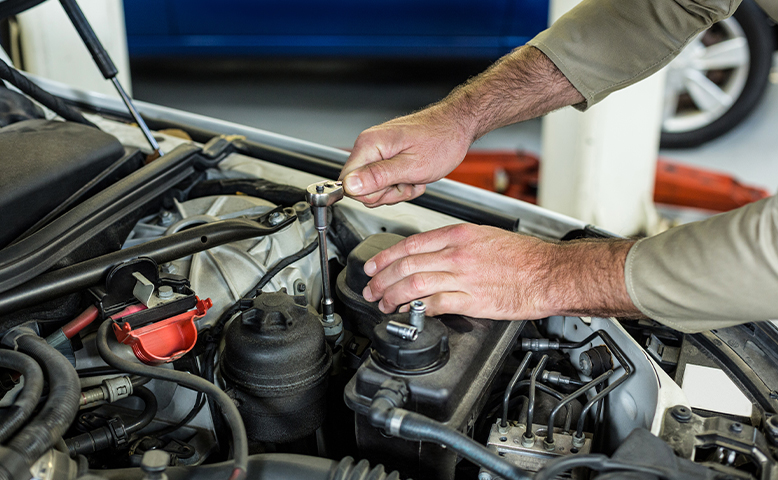
Small car issues grow into high costs when we skip basic care. The good news: most breakdowns start as easy-to-spot problems. In this blog, we cover five common mistakes drivers make and how to avoid them with quick checks you can do at home. You will see simple steps, clear numbers, and a short table to keep it all straight. No fancy tools are needed for most items. A tire gauge, a flashlight, and a clean rag go a long way. Keep these tips close, and your car will run smoother, stop safer, and last longer without surprise visits to the shop.
Skipping Oil Changes And Wrong Oil Grades
Motor oil does more than “lubricate.” It carries heat away, cleans tiny metal bits, and seals the gap between rings and cylinder walls. When oil ages, it loses additives and thickens with soot. That raises engine wear and fuel use.
Quick checks
- Look for the oil grade on the filler cap and in the manual.
- Use the dipstick: oil should be near the “full” mark and not gritty.
- Change the oil filter with every oil change.
Useful facts
- Short trips that never warm the engine fully demand shorter change intervals.
- A low oil level can raise engine temperature and trigger a warning light.
- Dark oil is normal; gritty or sludgy oil is not.
Action plan
- Set a reminder at 5,000–7,500 miles or the manual’s limit, whichever is sooner.
- Stick to the specified viscosity and API/ILSAC spec on the bottle.
Ignoring Tire Pressure, Tread Depth, And Rotation
Tires carry the whole car, so small issues matter. Underinflation builds heat, hurts steering, and lengthens stopping distance. Overinflation reduces grip and wears the center tread. Check the door-jamb placard (not the sidewall) for the correct PSI. Measure pressure when tires are cold. For tread, the legal minimum in many places is 2/32 inch, but wet safety improves if you replace it at 4/32 inch. Rotate tires every 5,000–7,500 miles to even out wear.
Quick checks
- Use a $10 gauge; check monthly and before road trips.
- Look for uneven wear on edges or a “cupped” pattern (possible alignment or shock issues).
- Watch for small cracks, exposed cords, or bulges; replace if found.
Useful facts
- A 5 PSI drop can make ABS and traction control work harder.
- Proper pressure helps fuel economy and keeps tire temps in a safe range.
- Tread wear bars across grooves show when you’ve hit the limit.
Action plan
- Set a monthly pressure check.
- Rotate on the same schedule as your oil change for easy tracking.
Delaying Brake Service And Fluid Replacement Schedules
Brake wear slowly, so it is easy to delay service until a squeal or vibration appears. That delay can turn a simple pad swap into new rotors and hardware. Pads under 3 mm are due for replacement. Brake fluid attracts moisture over time, which can lower its boiling point and corrode parts. Many makers suggest changing fluid about every 2–3 years; confirm in the manual.
Quick checks
- Listen for squeals (pad wear indicators) or grinding (metal-to-metal contact).
- Feel for a soft or spongy pedal; that can mean air or old fluid.
- Watch for the brake warning light; check the fluid level in the reservoir.
Useful facts
- Rotor thickness is stamped or listed by the maker; below spec means replacement.
- Warped rotors can cause a steering wheel shake during braking.
- Stuck caliper slide pins can create one-sided pad wear.
Action plan
- Inspect pads and rotors at every tire rotation.
- Replace fluid on a time schedule, not only by mileage.
Additional checks
- Look for white or green buildup on posts; clean with a brush and baking soda solution.
- Ensure clamps are tight; a loose clamp can cut power over bumps.
- Use a basic multimeter to spot a low state of charge.
Useful facts
- Short drives may not recharge the battery fully after a cold start.
- Parasitic drains (stuck glove box light, dash cam) can pull milliamps all night.
- Many batteries last 3–5 years; hot climates shorten that window.
Action plan
- Test battery voltage each season.
- If cranking slows or lights dim at idle, test both battery and alternator.
Using Coolant, Filters, And Belts Beyond Life
Cooling, breathing, and drive systems all have wear parts. Old coolant loses corrosion inhibitors and can allow scale buildup. A 50/50 coolant mix is common; use the type called out by the maker. Engine air filters keep dirt out of cylinders.
Quick checks
- Coolant should be clean and the right color for your vehicle’s spec.
- The air filter should not be dark and clogged with leaves or dust.
- Belt ribs should be free of cracks and chunks; listen for chirps.
Useful facts
- Low coolant causes hot spots and can trigger a head gasket failure.
- A clogged air filter reduces power and may raise fuel use.
- Many timing belts have a 60,000–100,000-mile replacement window; chains still need clean oil.
Action plan
- Inspect coolant level monthly; top up with the correct type only.
- Replace filters on schedule; inspect belts at every oil change.
Handy reference table for quick checks
| Item | What to Look For | Target/Spec (Typical) | Check When |
| Engine Oil | Level near “full”, not gritty | 5,000–7,500 miles/6–12 mo | Monthly + by mileage |
| Tire Pressure | Matches door-jamb placard | PSI per placard | Monthly |
| Tread Depth | Above wear bars | Replace at 4/32″ (wet), legal min 2/32″ | Monthly |
| Brake Pads | Even wear, no grinding | Replace under ~3 mm | Each rotation |
| Brake Fluid | Clear to light amber | Change every 2–3 years | Yearly check |
| Battery Voltage | Strong crank, clean posts | 12.6 V rest; 13.7–14.7 V running | Each season |
| Coolant | Correct type, right level | 50/50 mix (typical) | Monthly |
| Air/Cabin Filters | Not dark or clogged | 15k–30k mi / yearly | Each oil change |
| Belts | No cracks, no glaze | Replace if worn | Each oil change |
Conclusion: simple steps, fewer shop visits
Avoid these five mistakes, and you cut the risk of sudden repairs. Keep oil fresh, tires healthy, brakes strong, the battery ready, and fluids, filters, and belts on time. A few minutes each month can prevent days without your car. If you want a pro to handle these checks or spot problems early, Transmission Plaza provides reliable auto maintenance work services, from oil and filter changes to brake and battery care. Book a service, and keep your car running the way it should.